3,800 Promises
In the 2020 holiday season, normal fulfillment infrastructure disappeared at exactly the wrong time. What remained was inventory, a deadline, a family, a few people willing to keep moving—and thousands of customer promises that still had to mean something.
A purchase order is a record. An order number is a record. A shipping label is a record. A paid Christmas order, to me, was something else. It was a promise.
That distinction controlled everything that happened next.
The holiday fulfillment story from 2020 is easy to flatten into an operations story: warehouses, inventory, trucks, pallets, storage units, labels, carrier cutoffs, miles, labor, cubic feet. All of those things mattered. But none of them explains why the operation kept going after the normal economics stopped making sense.
The controlling metric was not truck cost. It was not overtime. It was not whether the process looked efficient. It was not whether the warehouse architecture was elegant. It was whether the promise survived the failure of the infrastructure that had originally been built to keep it.
Before the failure, there was a real operation
This was not a business shipping a few boxes from a dining-room table and suddenly getting lucky at Christmas. Going into COVID, the business had employees, active products, a local warehouse in Burnt Hills, New York, fulfillment capability in New Jersey, Amazon and other ecommerce channels, and substantial Muffik inventory moving through a real operating system.
There were processes. Places. People. Carrier relationships. Inventory locations. A normal way the work was supposed to happen.
Then COVID started removing pieces of that system one by one.
At one point Muffik Canada went into the hospital with COVID. We bought product. A lot of product. That inventory was not theoretical inventory sitting on a spreadsheet. Two twenty-foot containers of product were in New Jersey. More inventory was spread across the local operation and storage.
The local warehouse then became inaccessible after the owner died and the property went into probate while the owner's children disputed control. The New Jersey fulfillment operation was dealing with Department of Health shutdown conditions. The ordinary warehouse was gone. The other warehouse could not operate normally. The UPS account and normal carrier workflow were tied to the inaccessible warehouse.
Meanwhile, the calendar did not care.
Black Friday still happened. Cyber Monday still happened. Christmas was still coming.
The company stopped being a building
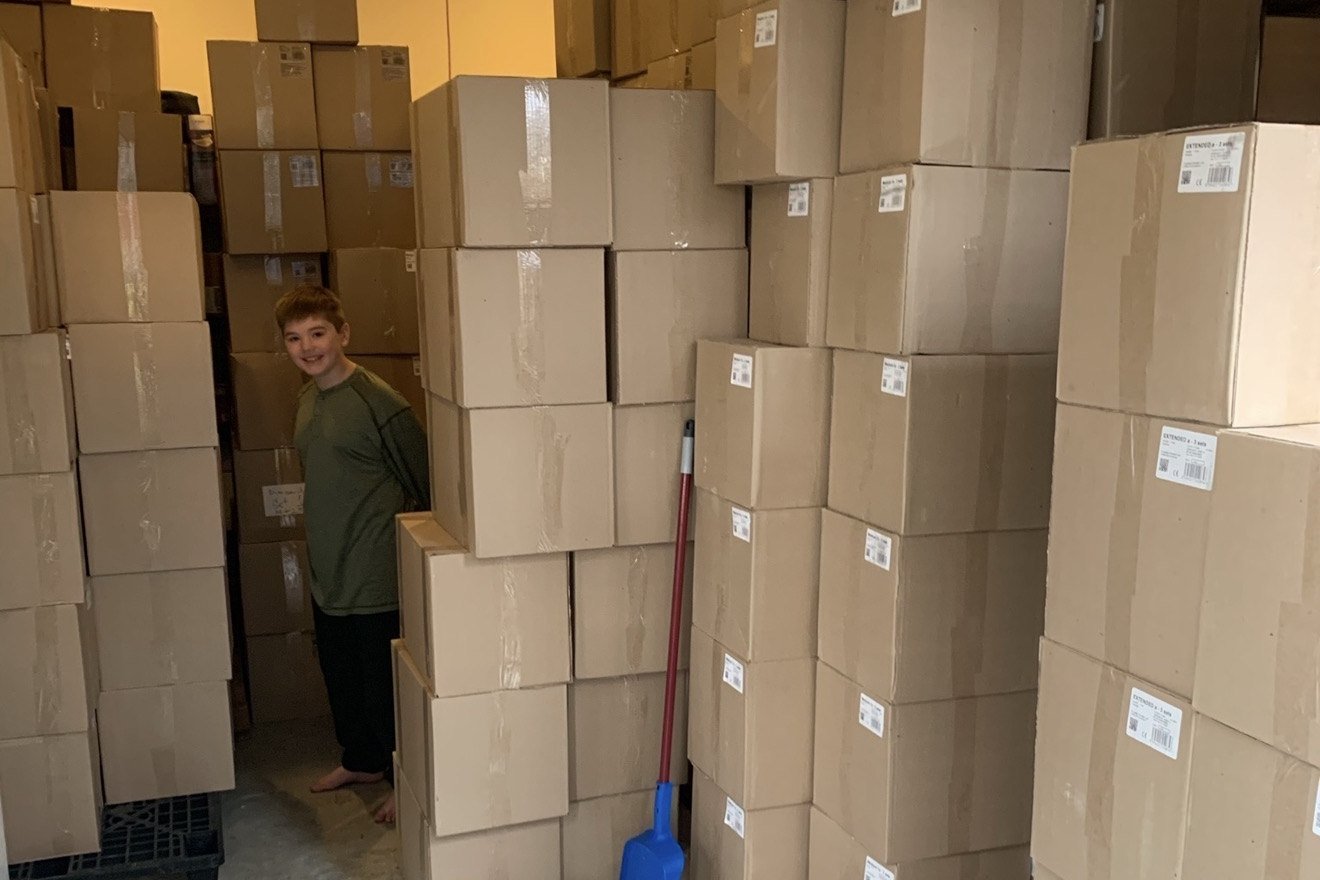
When the warehouse disappeared, the operation did not disappear with it. The company became whatever space was available.
The garage became inventory. The basement became a makeshift shipping station. Three storage units became temporary nodes. The driveway became staging. Cars became transfer vehicles. A rented U-Haul became linehaul. Staples became a carrier handoff when the UPS driver could not be intercepted in time.
That is an important distinction in business continuity. Infrastructure is not the same thing as capability.
A warehouse is infrastructure. Fulfillment is capability.
When infrastructure fails, an organization either discovers that the capability existed only because the building existed—or it rebuilds the capability somewhere else.
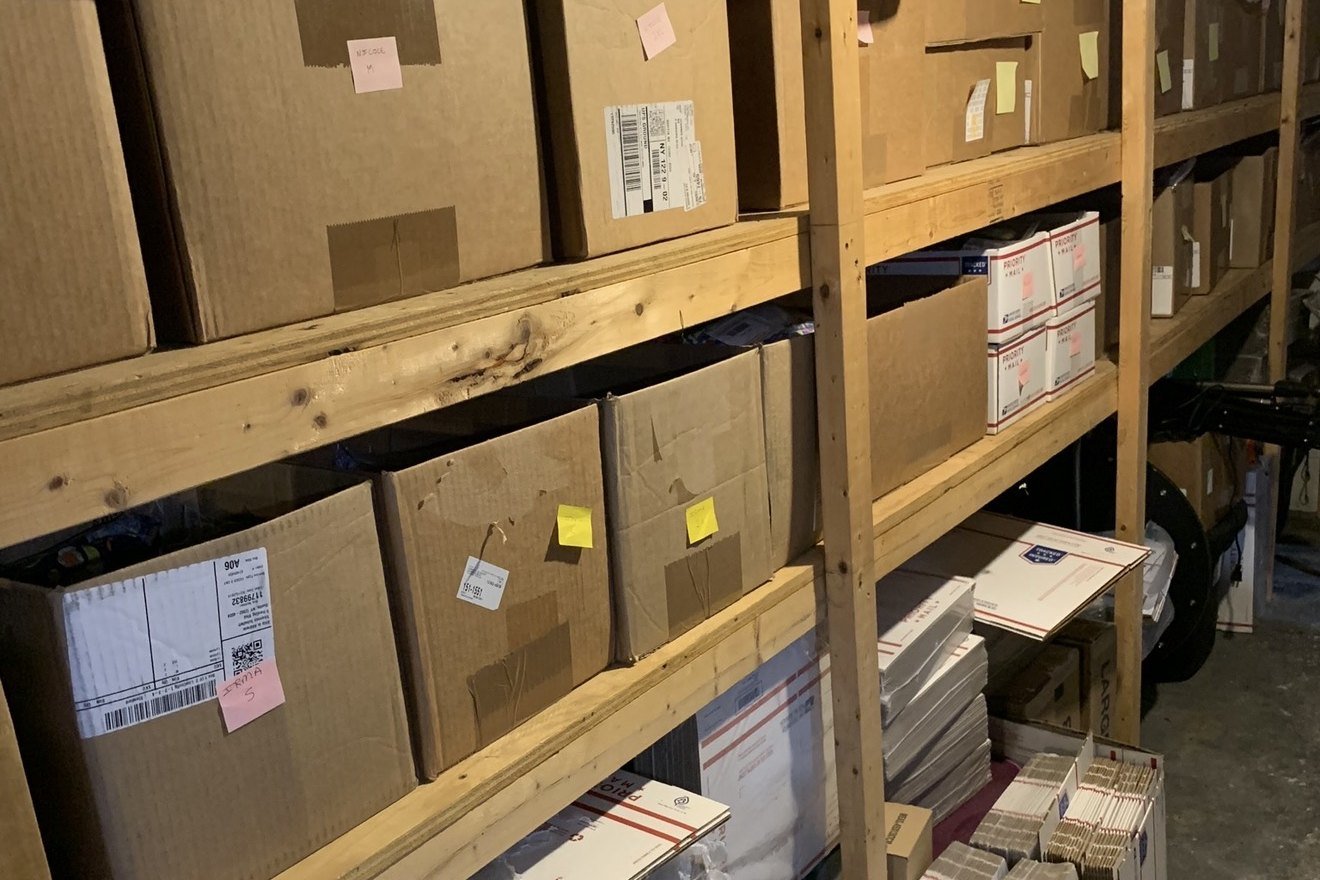
Nothing about the replacement network was pretty. It did not need to be. It needed to move product through the next bottleneck.
That meant continuously asking a very small set of questions: Where is the product? What has to move next? Who is awake? Who has a vehicle? Who has another responsibility they must leave for? Where are the labels? What carrier cutoff is still reachable? What inventory does the next batch require? What can be staged now while someone else is on the road?
Titles stopped mattering. Job descriptions stopped mattering. The bottleneck mattered.
Three storage units are not a warehouse
We had inventory in storage, but storage is not fulfillment.
A storage unit can hold cartons. It cannot automatically receive an order, allocate stock, print a label, sequence work, stage outbound packages, manage carrier pickup and maintain throughput. Every one of those functions has to be reconstructed around it.
The storage units became part of the network because they had inventory we needed. Erin would retrieve smaller quantities in her car while labels continued printing. Product moved from storage to the house, from the house into orders, from packed orders into carrier handoff. The movement itself became the system.
The first New Jersey run
The first assumption was reasonable: get a large truck, go to New Jersey, recover enough inventory, come home, finish the orders.
The first assumption was wrong.
We rented the largest U-Haul we could get on essentially no notice. Getting the truck itself required travel. Then Kieran and I headed toward the New Jersey fulfillment operation under shutdown conditions without certainty that getting into the area—or getting access to the product—would be straightforward.
We got in.
Then the abstraction called “inventory” became boxes that had to be touched.
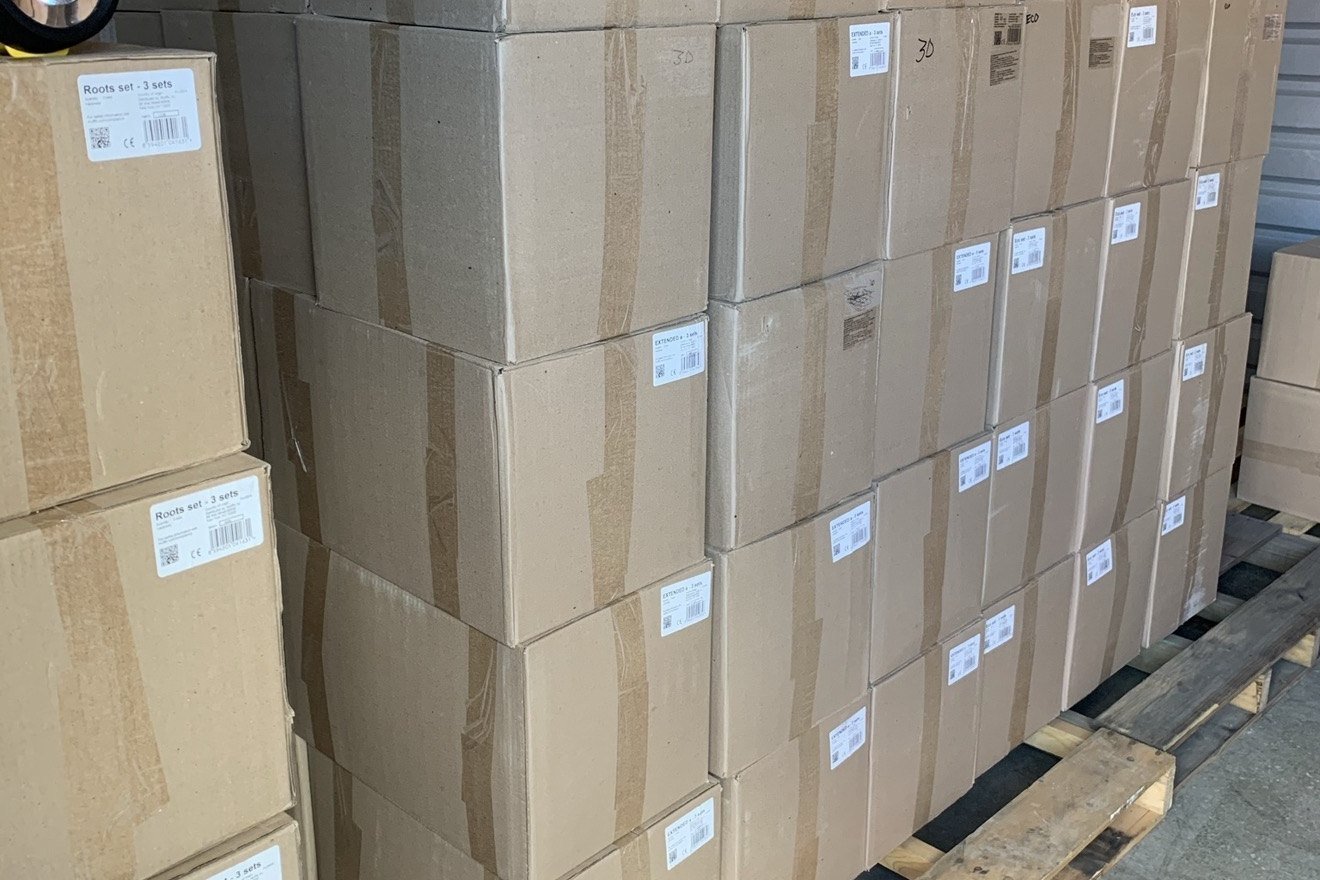
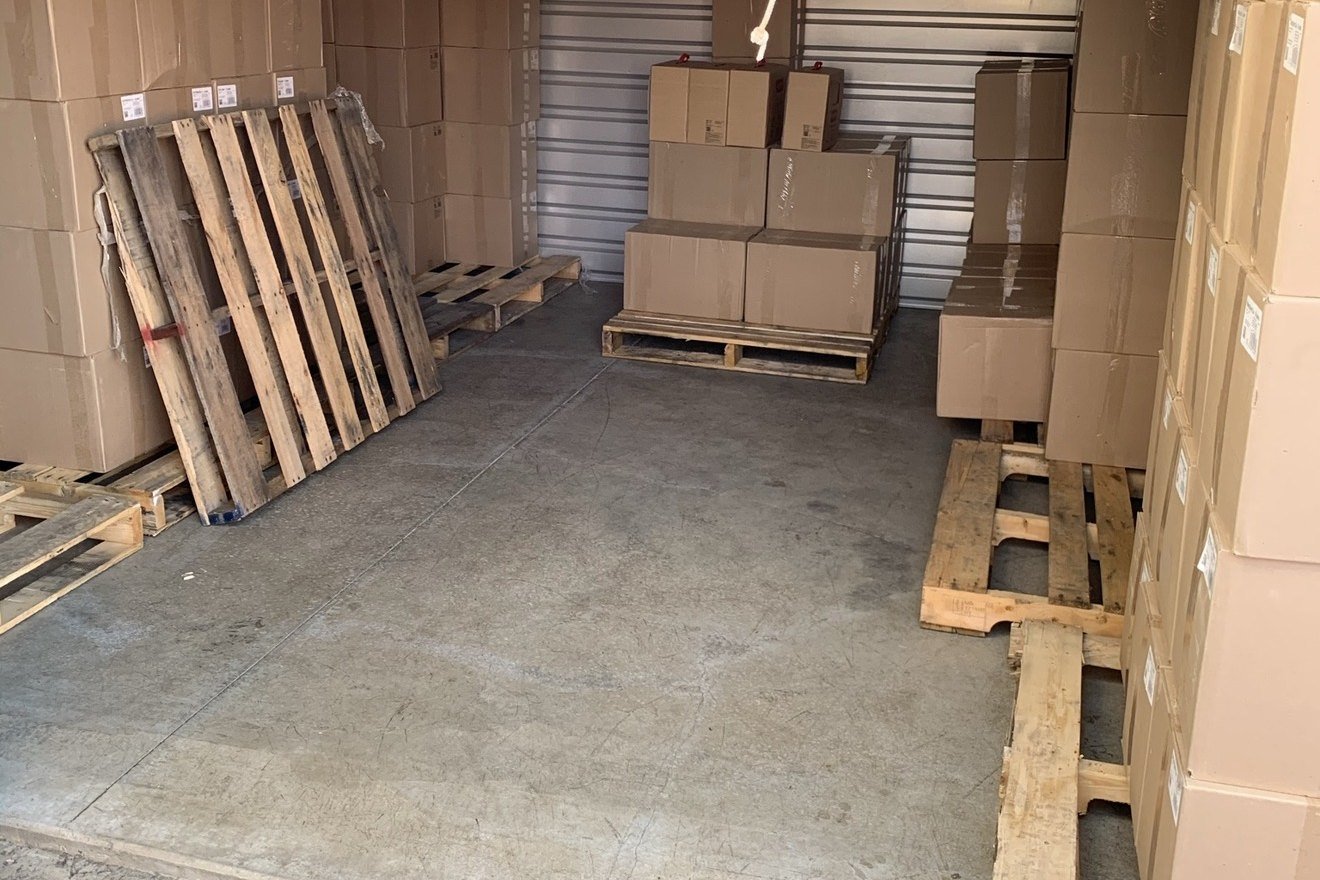
Cartons had to be identified, moved, stacked and loaded. Every box took physical space. Every inch of the truck represented another set of customer orders that might be completed without another trip.
We loaded and came back to New York.
Then we unloaded the sets the house needed immediately.
And discovered that the first load was nowhere near enough.
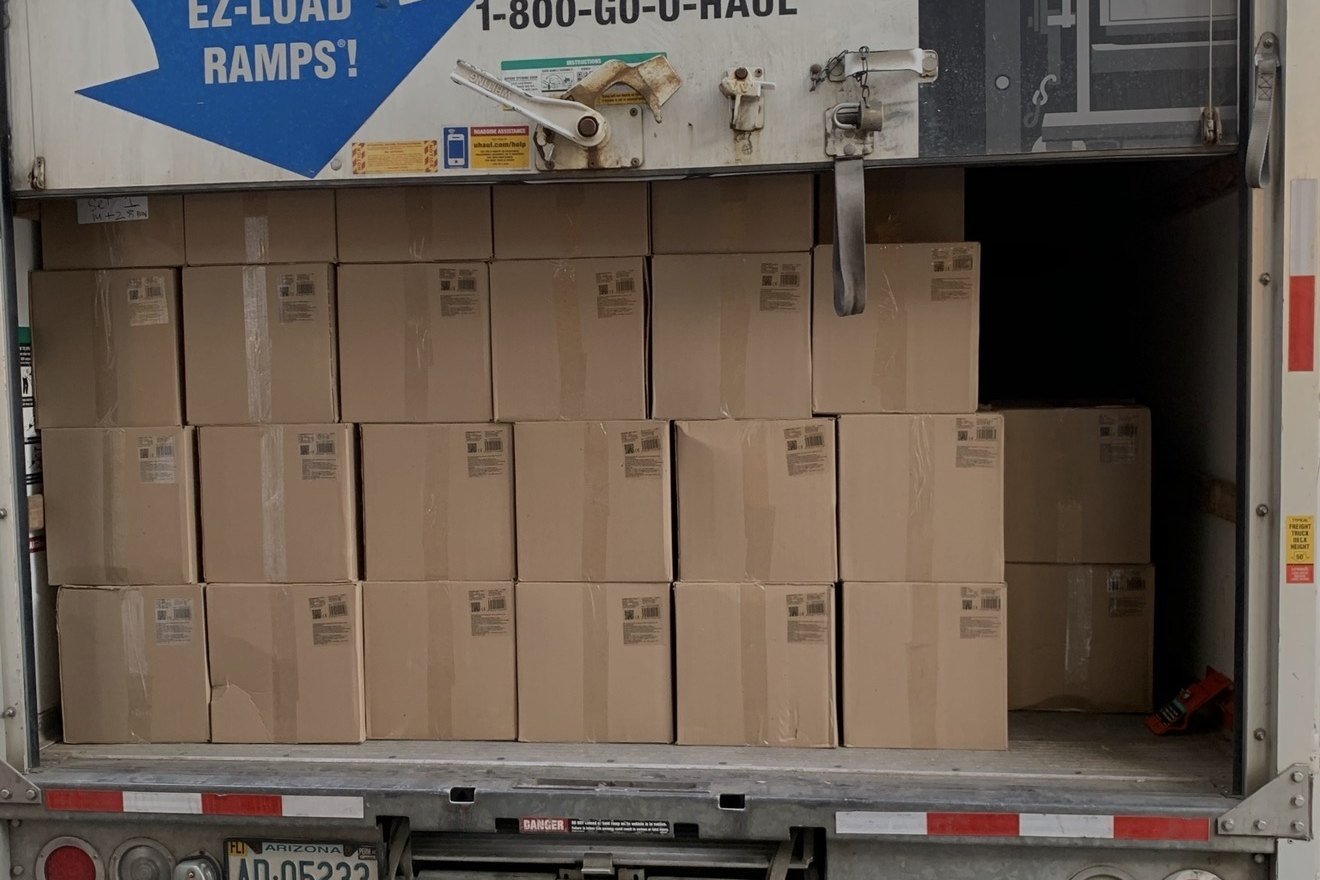
The second trip became a geometry problem
The second trip was different because by then we knew the truck had to become a volume calculation.
The objective was no longer simply “fill the truck.” It was “use every possible cubic foot so we do not have to do this again.”
Floor to ceiling. Tight walls. Minimize dead space. Keep the load stable enough to survive the trip. Get as much product out of New Jersey as physically possible.
The load became a kind of manual three-dimensional optimization problem performed with cardboard, tape, fatigue and a deadline.
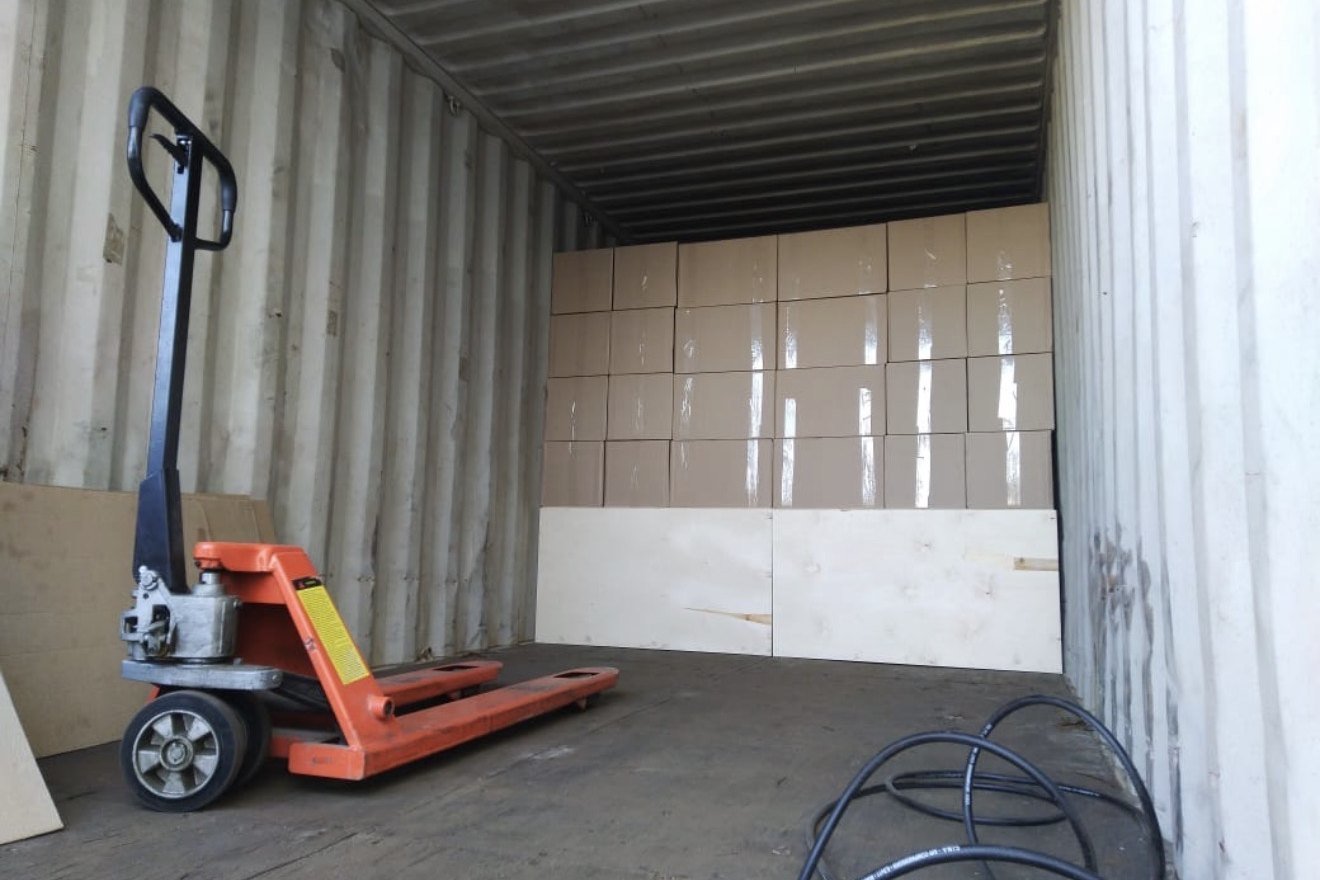
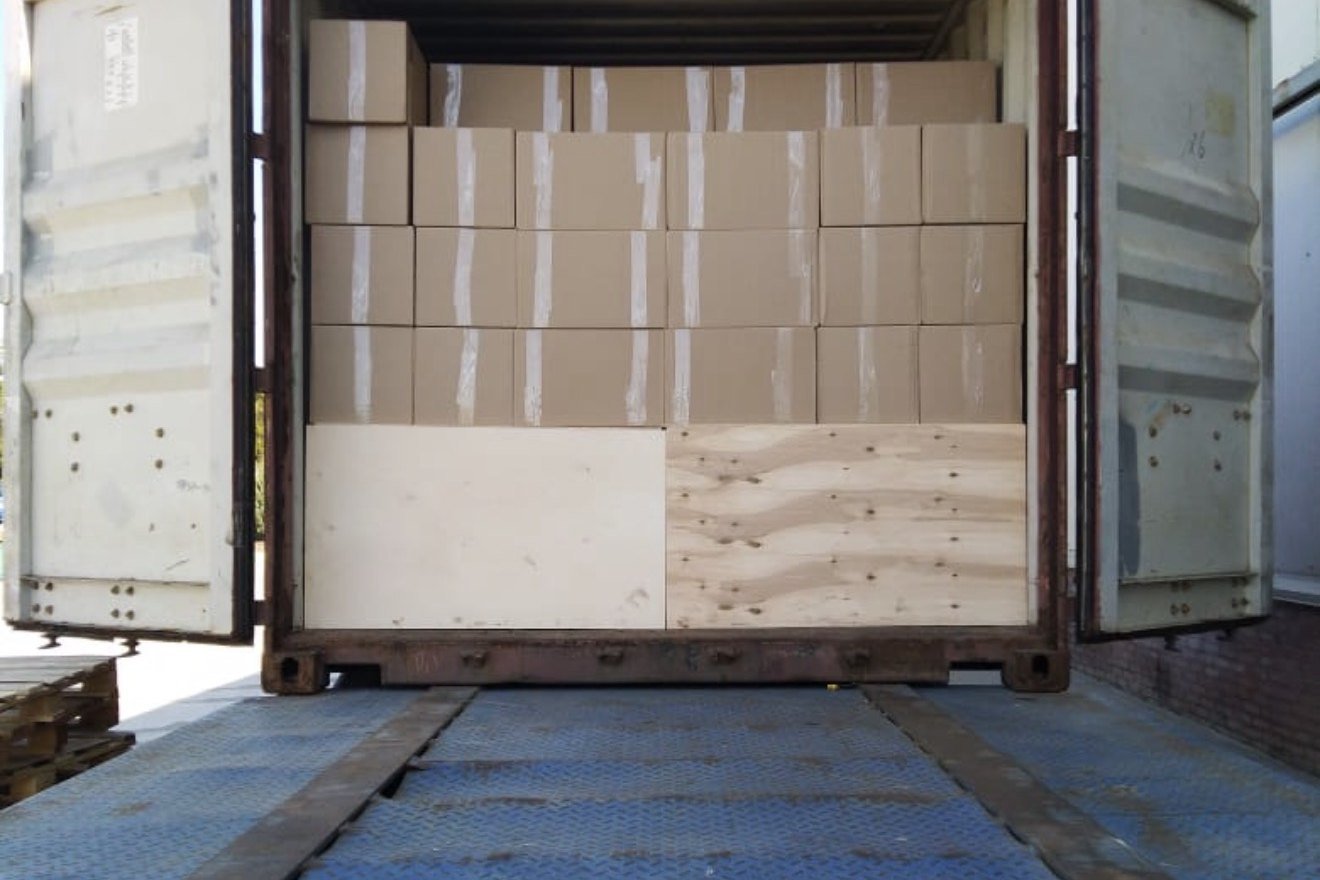
We stacked the second truck properly.
It still was not enough.
There are moments in operations when the answer is not elegant. The calculation simply comes back wrong. Remaining inventory exceeds remaining truck capacity. Customer commitments exceed what is staged at home. The deadline is unchanged.
That meant a third run.
The third load was not pretty because pretty was no longer the objective
Kieran went back with me again.
By the third trip, the operation had already consumed a huge amount of driving, material handling, unloading, repacking and carrier work. The excess mileage cost became substantial. I remember the over-mileage alone becoming the kind of number that would normally trigger a serious conversation about whether the operation still made economic sense.
But the economic question had already been answered at a different level.
The orders had been accepted.
The customers had paid.
Christmas was coming.
They were promises.
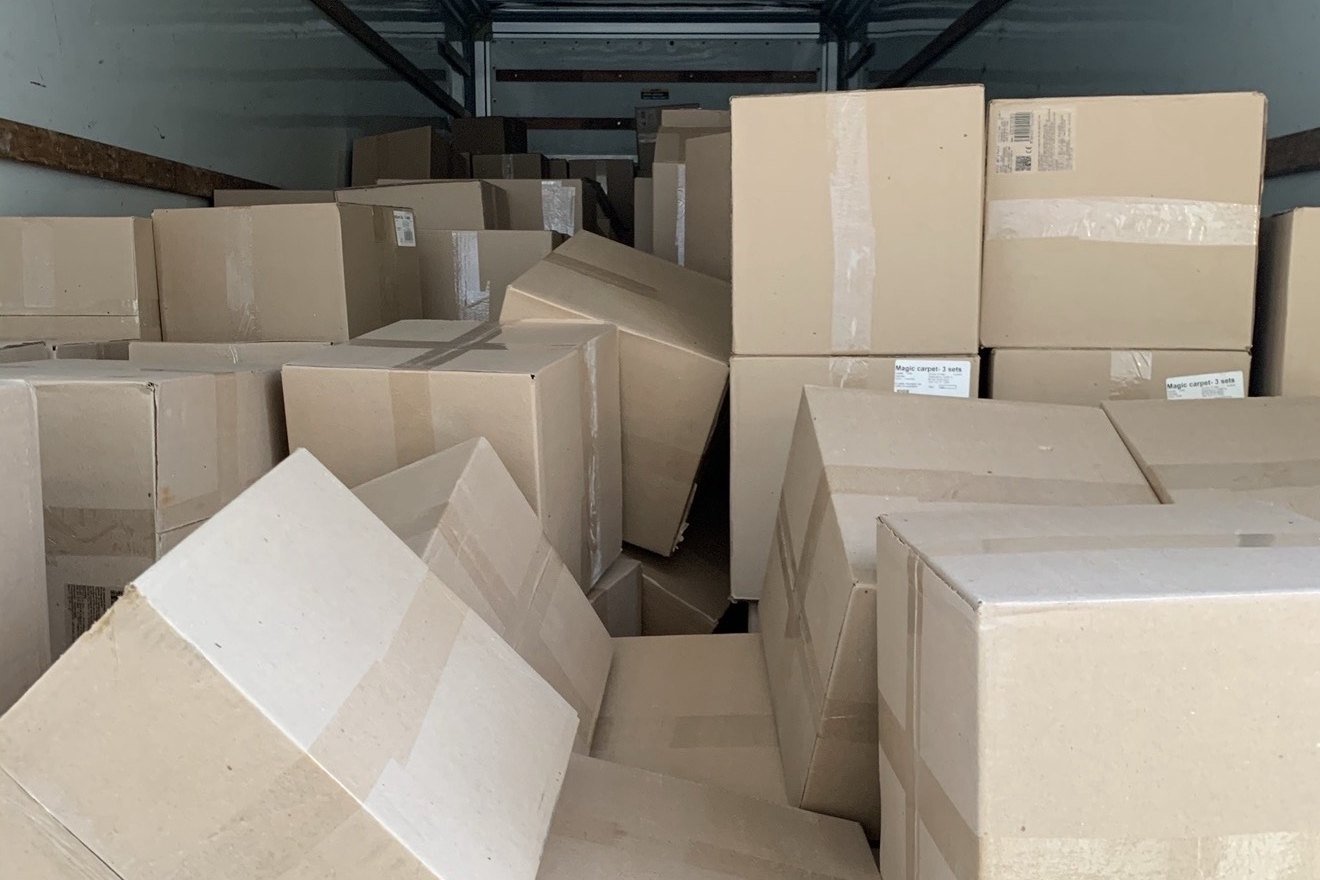
The final load looked different because the circumstances were different. This was not a warehouse manager staging an ideal outbound trailer on a normal shift. It was the last recovery run in a temporary network built because multiple normal nodes had failed simultaneously.
In a presentation about operational excellence, that photograph could look like failure.
In context, it is evidence of something else: the difference between process compliance and operational ownership.
Process matters. Standard work matters. Load quality matters. Safety matters. But a mature operating system also has to understand abnormal conditions. When the standard path is gone, the question becomes whether the operator can still identify the purpose of the system and rebuild a path to it without pretending the abnormal condition is normal.
At home, the recovery never stopped while the trucks were moving
The New Jersey runs were only one stream of work.
At home, Erin was working continuously: printing labels, retrieving smaller quantities of inventory from storage, helping convert the garage and house into a fulfillment center. My wife helped with labels while also carrying parenting responsibilities. Kieran had livestock at home and could not simply remain indefinitely. People eventually had to sleep.
The staffing plan changed hour by hour.
Not because planning had failed, but because constraint-based work requires acknowledging reality. A person who has been awake too long becomes a risk. Someone with animals at home has another fixed obligation. A parent cannot pretend children disappeared because order volume went up. The next labor decision had to consider both operational need and human limits.
Meanwhile pallets of completed shipments accumulated.
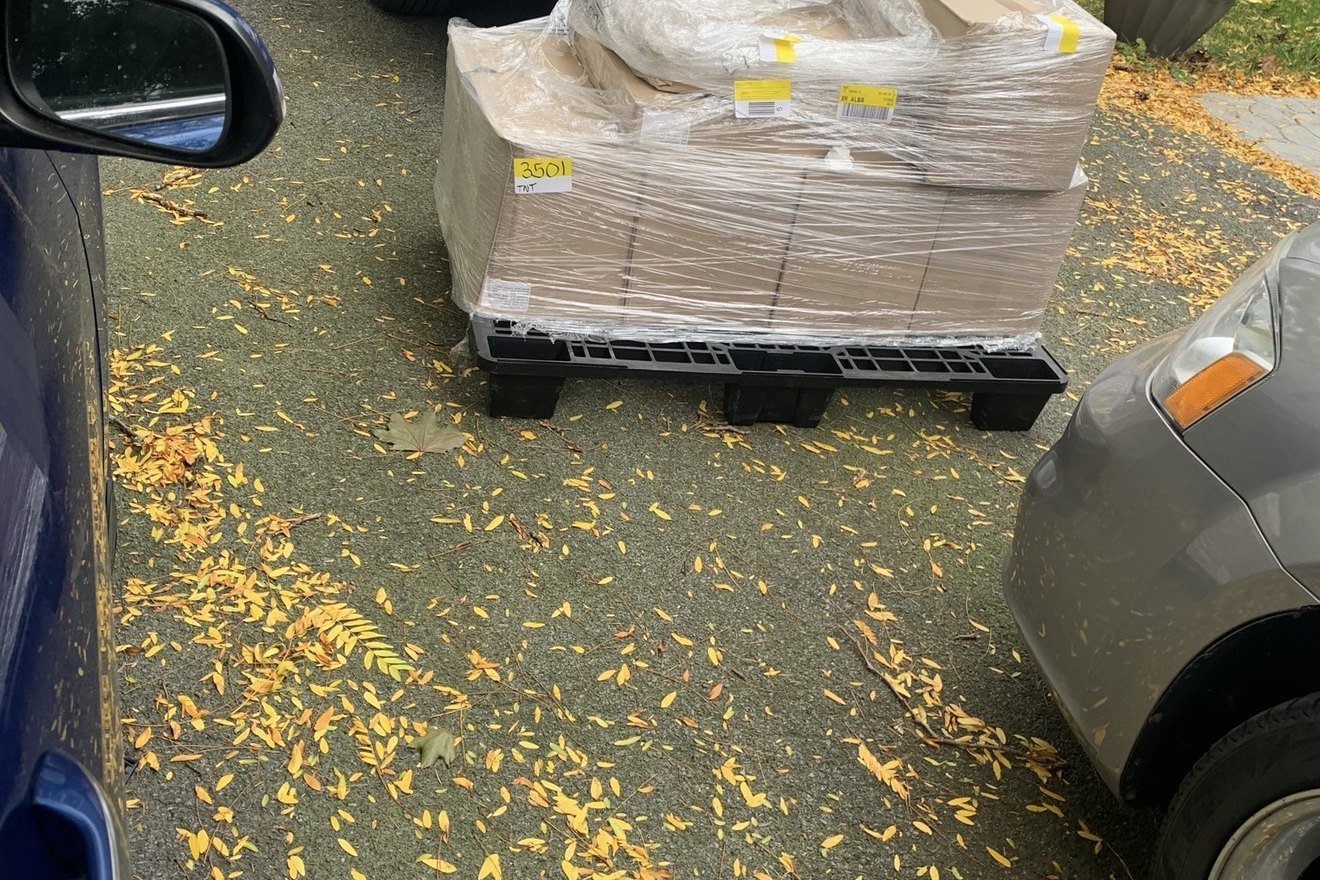
The carrier workflow had also broken with the warehouse.
The normal UPS relationship was associated with the location we could not use. So carrier handoff became another manual problem. When possible, I intercepted the familiar UPS driver and handed packages directly to him. If we missed that handoff, the packages went to Staples before the daily cutoff.
That is what recovery actually looks like at ground level. “Reroute the carrier workflow” sounds clean in a postmortem. In real time it means knowing where a particular truck might be, watching the clock, loading a vehicle, finding a cutoff, and refusing to let a completed package sit for another day simply because the usual dock door no longer exists.
3,800 promises is a different metric from 3,800 orders
This is the part I care about most.
An order count is operationally useful. It tells us volume. It drives labor assumptions. It affects carrier capacity, inventory allocation, packaging consumption and throughput.
But an order count does not explain responsibility.
A promise does.
These products were going under Christmas trees in 2020. Many of the families we served had children with developmental or sensory needs. Everyone was already living through an abnormal year. A box that did not arrive was not just a missed unit on a dashboard. It could be the thing a family had planned around for a child who understood plans very literally.
That does not make cost irrelevant. Businesses that ignore economics eventually disappear and cannot keep promises to anyone. But there are moments when a company has already made the commitment, and the immediate decision is whether its internal inconvenience becomes the customer's loss.
I did not believe it should.
Every paid Christmas order was a promise. The promise would be kept.
The pictures show an operating system after the boxes labeled “system” disappeared
Looking at the photographs later, I do not primarily see cardboard.
I see substitutions.
The garage substituted for inaccessible warehouse space. The basement substituted for a shipping station. Storage units substituted for reserve inventory locations. Cars substituted for internal transfer lanes. A twenty-four-foot U-Haul substituted for scheduled freight. A driveway substituted for outbound staging. Staples substituted for a carrier dock. Human memory and constant communication substituted for software and clean location control.
None of those substitutions was desirable as a permanent operating model.
That is exactly why they matter.
Business continuity is not proving that the emergency workflow is better than the standard workflow. It is proving that the purpose of the standard workflow is understood well enough to reconstruct it temporarily when its components disappear.
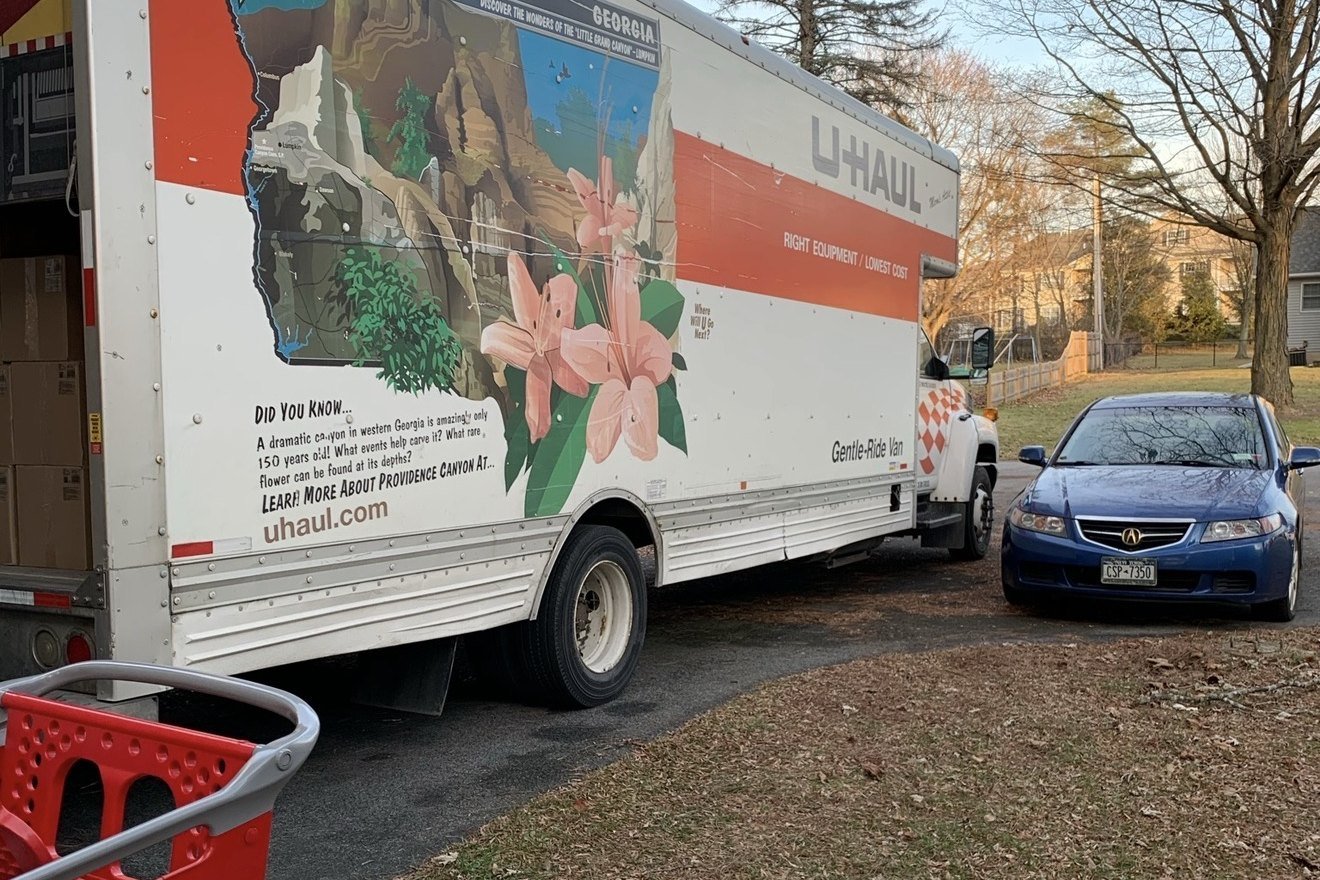
The operation was ugly. The priority was clear.
There is a tendency, after an emergency is over, to make the story cleaner than it was.
We turn it into a diagram. We give the phases names. We identify the decision gates. We list the risks and mitigations. Those things are valuable because they allow the experience to become teachable.
But the actual event was physical and messy.
Boxes were everywhere. People were tired. Trucks had to be found. Loads had to be rebuilt. Inventory existed in multiple places. The shipping process moved into spaces never intended for it. The third load looked haphazard because it was haphazard. The truck cost too much. Mileage cost too much. There was no time to optimize every decision before making it.
What made the operation coherent was not the appearance of the work.
It was the priority.
When priorities are truly clear, local decisions become easier. If the governing requirement is “keep the customer promise,” then transportation, temporary storage, labor allocation and carrier handoff can all be evaluated against the same standard.
That is what leadership under constraint often is: not having every answer, but making the hierarchy of answers unmistakable.
What survived the holiday season
The boxes left.
The U-Haul went back.
The temporary shipping station stopped being necessary.
The garage eventually became a garage again.
The storage units emptied.
The extraordinary workflow ended because extraordinary workflows are supposed to end.
But the operating lesson stayed.
Infrastructure can fail without purpose failing.
A company is not its building.
A process is not its software.
A role is not its job description.
An order is not merely its order number.
And a metric can describe the work without explaining why the work matters.
In 2020, the holiday operation became a garage, a basement, three storage units, two containers in New Jersey, a twenty-four-foot U-Haul, a driveway full of pallets, a handful of exhausted people, and 3,800 promises.
That was enough to keep moving.